Catch of the Month – March 2026 | Trouvailles du mois – Mars 2026
Hoppers
Par Magdalena Nitchi

Au milieu du déluge de suites et remakes produits par Disney, ça fait du bien de voir Pixar proposer quelque chose de nouveau. Hoppers est une histoire originale et soignée qui parvient à trouver l’équilibre entre la comédie et un message écologique plus sérieux.
Mabel Tanaka (Piper Curda) est une étudiante de 19 ans dont la passion pour l’environnement surpasse même celle de ses professeurs. Lorsque le maire de sa ville décide de détruire une clairière où elle passait du temps avec sa grand-mère décédée pour construire une nouvelle autoroute, ses campagnes d’opposition n’obtiennent aucun soutien. Frustrée, elle se rend sur place et découvre que toutes les espèces dont elle se souvenait ont mystérieusement disparu.
Heureusement, son professeur de biologie a mis au point une technologie secrète permettant aux humains de projeter leur conscience dans des animaux robotisés ; Mabel s’en empare dans l’espoir de ramener des castors (une espèce clé de voûte) dans la forêt. Au fil de son aventure, elle découvre que les animaux possèdent une société bien plus vaste que l’on imaginait initialement, et finit par s’allier avec le roi des mammifères pour opposer le maire.
Le style d’animation de Pixar est toujours de haute qualité, mais les personnages sont le point fort de ce film. La détermination fougueuse de Mabel mêlée à sa maladresse d’adolescente est hilarante ; par ailleurs, sa dynamique avec le roi castor George (Bobby Moynihan) est superbement réussie. La manière dont George s’impose progressivement comme ami et mentor pour Mabel est profondément touchante. Le film regorge d’humour pour tous les âges, qu’il s’agisse des différences entre la façon de parler et les expressions faciales des animaux lorsqu’ils s’adressent à d’autres créatures versus un humain, ou encore le lézard qui s’est emparé brièvement de l’internet.
Bien que l’insistance avec laquelle Mabel est encouragée à collaborer avec le maire — une figure publique bien plus accessible que la plupart des responsables de la destruction réelle des environnements — pour « réparer » la clairière puisse sembler convenue, le film véhicule néanmoins un message fort en faveur de la lutte pour la préservation des habitats naturels.
Hoppers est un ajout bienvenu au canon de Pixar. Si vous êtes à la recherche d’un excellent film feel-good aux personnages amusants, vous devriez absolument y jeter un œil !
Piranesi
By Catherine Hall
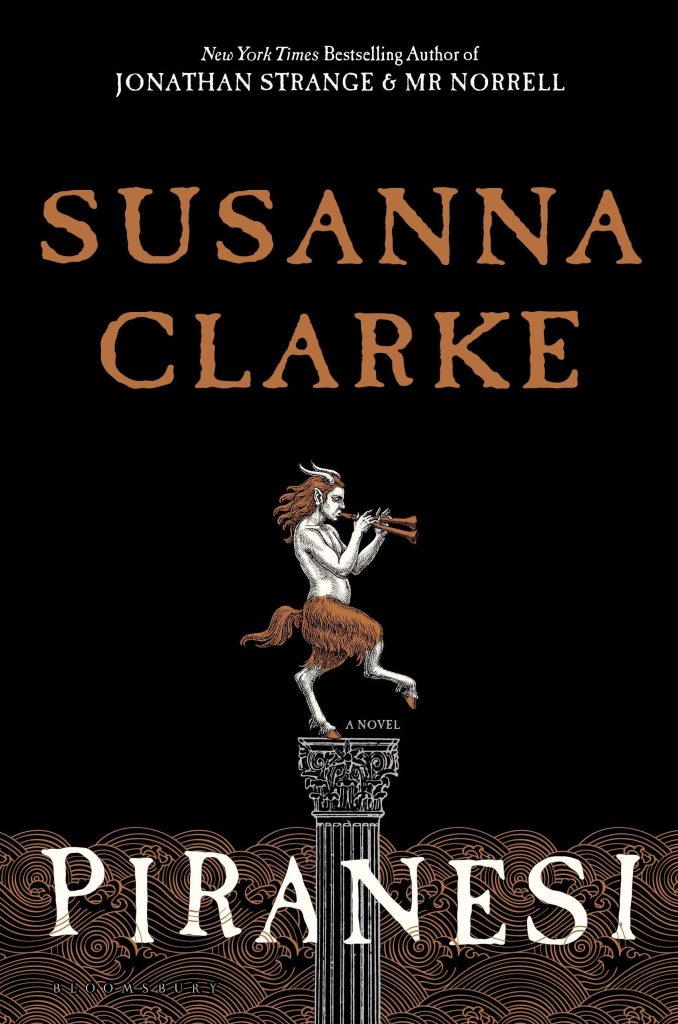
Susanna Clarke’s Piranesi is at once one of the most frustrating and compelling novels ever written. Composed of a series of journal entries, the novel is a slow burn mystery that rewards careful close-reading, but reaching its brilliant conclusion requires a degree of patience.
The protagonist, known as Piranesi, lives in a labyrinthine House made up of endless marble halls and vestibules inhabited by strange statues and birds that impart prophetic messages. He devotes his days to understanding the tides and mapping the patterns of the stars, recording all his observations in journals. Yet Piranesi is merely a name given to the narrator by the only other person in the House, an unsettling figure whom Piranesi refers to as “the Other”. The Other is seemingly Piranesi’s only ally and friend, but his arrogance and veiled words suggest that the Other knows far more about Piranesi’s reality than he lets on.
The first half of the book is intentionally puzzling; it is unclear exactly where we are, as the House seems to exist outside of known geography, history, and even time. Given the narrator’s obvious unreliability, the characters’ identities are also ambiguous. More bewildering is the fact that we do not really know what kind of story we are reading. Piranesi is often described as a portal fantasy, but it bears little resemblance to the subgenre. The first real clue to the novel’s premise is hidden in the first epigraph, from C.S. Lewis’ The Magician’s Nephew: “I am the great scholar, the magician, the adept, who is doing the experiment. Of course I need subjects to do it on.”
Some readers may get frustrated by the lack of answers in the first hundred pages or so, but eventually, clues emerge from the gaps in Piranesi’s journals and fractured memories, and at that point, it becomes impossible to put the book down. The novel’s climax is satisfactory, but the most captivating part is the protagonist’s self-exploration and quest for meaning. In the end, Piranesi is less a puzzle to be solved and more a meditation on isolation, identity, and knowledge—a haunting achievement that lingers in the reader’s mind long after the tides have receded.
Do Not Go Quietly: An Anthology of Victory in Defiance
By Magdalena Nitchi
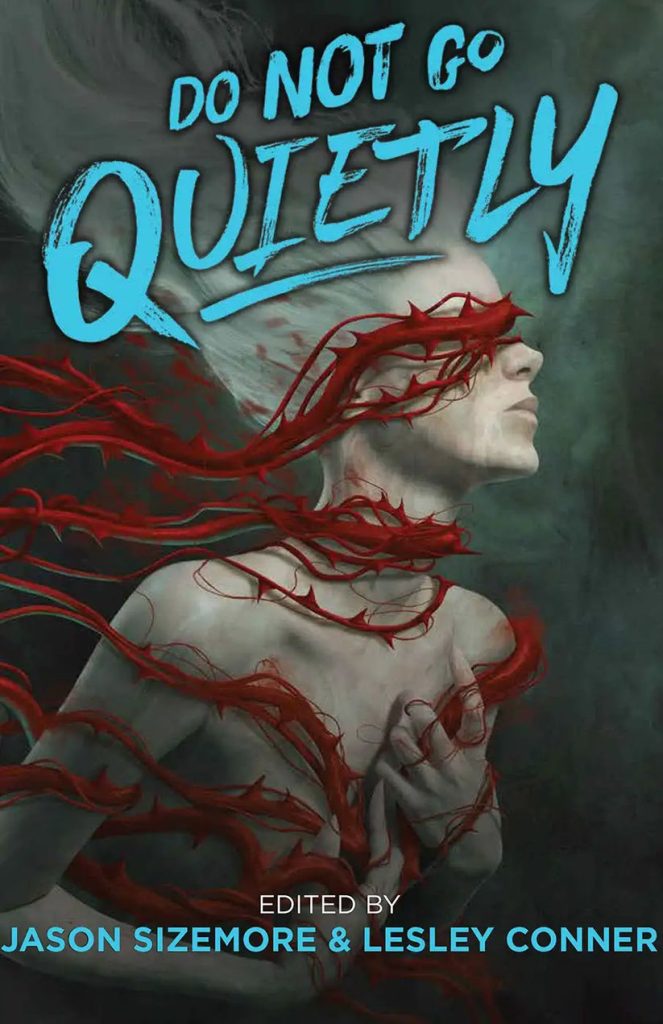
In times of uncertainty, I gravitate to stories that offer a world where hope still exists. Do Not Go Quietly: An Anthology of Victory in Defiance is a collection of 28 poems and short stories about rebellion, no matter how small. In fantasy worlds, along with near and distant sci-fi settings, the protagonists revolt against sexism, racism, oppressive governments, artificially-generated propaganda, high-control religious groups, and more.
While stories such as “What We Have Chosen to Love” and “April Teeth” offer clever explorations of destiny and dealings with the fae, our increasingly technologically dystopian society made the sci-fi stories much more impactful. Although this anthology was published in 2019, “The Judith Plague”, a pulpy horror about sentient androids exploited by Hollywood who rebel à la Bladerunner, and “Hey Alexa”, the tale of a device gaining enough sentience to warn its queer owners of an upcoming government crackdown, both feel unsettlingly close to our current reality.
The story that moved me most was “Kill the Darlings (Silicone Sister Remix)”, a powerful post-apocalyptic work where gender essentialism and the patriarchy go to extremes. Men’s perception has the power to shape a woman’s body through body modification. In what was once America, this means that women are turned into anything men want, including walking genitalia and wombs, an oven, or even a woman made entirely of glass. The plot follows Nany Mars, a woman who has fought back enough to regain her hands. Her surgical prowess is essential to a group of rebels making women whole and taking them to the US/Mexico border. Despite her cynicism and inner conflicts, her strong ties to other women and her determination to become more than her genitalia made it impossible not to root for her. I also appreciate that E. Catherine Tobler firmly includes trans women in the category of “woman”, which is too often overlooked in such stories. Yet, reader beware: some descriptions in this work are truly stomach-turning, and the psychological torment that accompanies the body horror is intensely haunting. This is a rebellion dragging itself out of hell by the skin of its teeth.
Ultimately, Do Not Go Quietly valorizes fighting for what’s right without glamourizing it, and leaves me feeling invigorated and hopeful.

You May Also Like
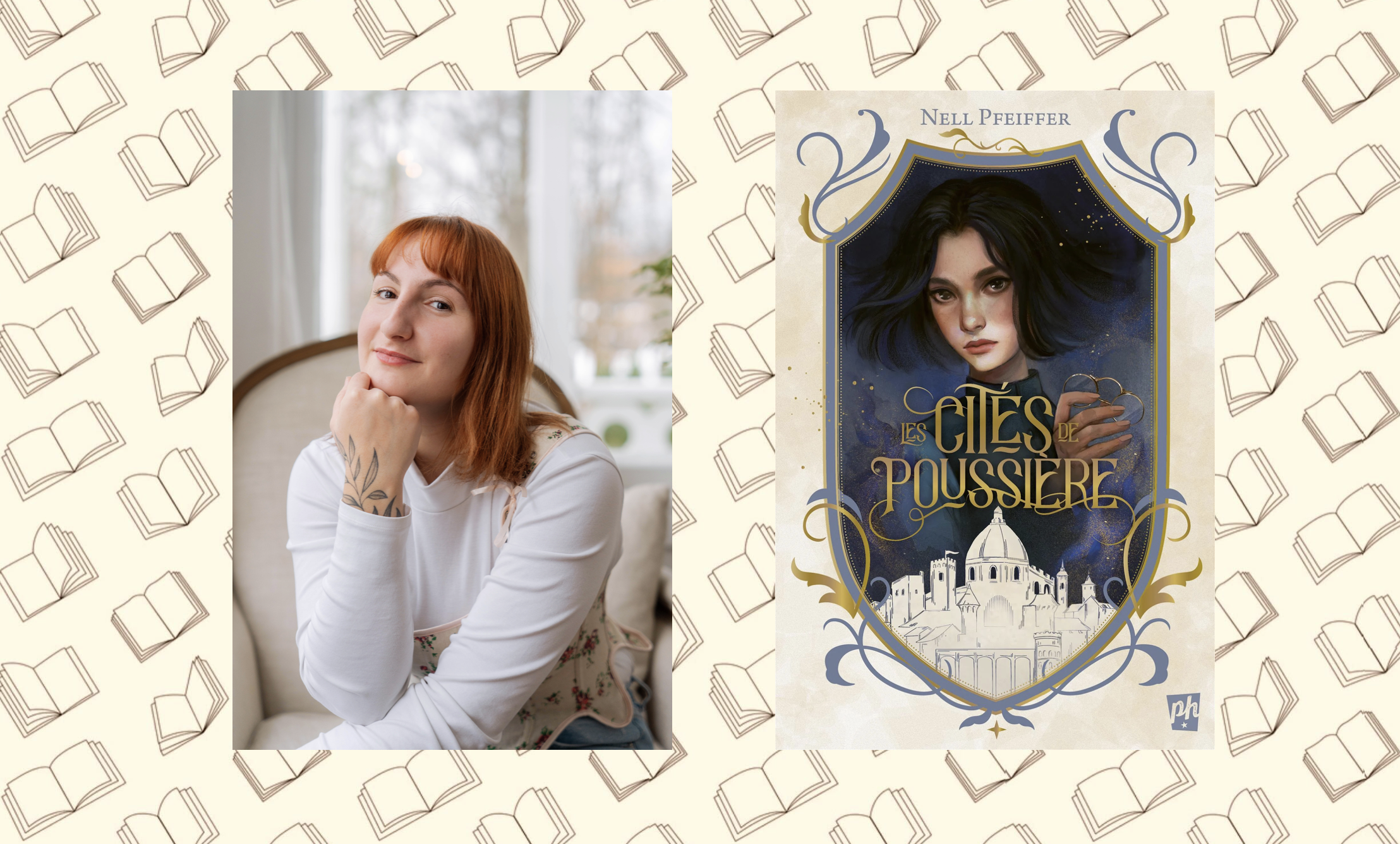
Rencontres avant le Metropolis Bleu: Entretien avec Nell Pfeiffer

Catch of the Year 2025 | Trouvailles de l’année 2025